Land for Sale in Zimbabwe: What Your Agent Won’t Tell You About Soil Health
Introduction: The Hidden Story Beneath the Surface
When you search for land for sale in Zimbabwe, what do you hear? Likely the price per hectare, the stunning views, and the promise of good rainfall. But here’s what your agent almost certainly won’t tell you: the most critical factor determining your land’s value lies completely out of sight, in the health of the soil itself. Imagine buying a car based only on its paint color, never checking the engine. That’s exactly how many people purchase land, admiring the surface while ignoring the complex, living ecosystem beneath that will ultimately determine whether their investment thrives or fails. Soil isn’t just dirt; it’s the living, breathing foundation of everything you hope to build or grow. In this guide, we’ll show you how to uncover its true health using four key maps that most agents don’t even know exist.
Chapter 1: The Terrain Diagnosis – Why Elevation & Slope Are More Than Just a View
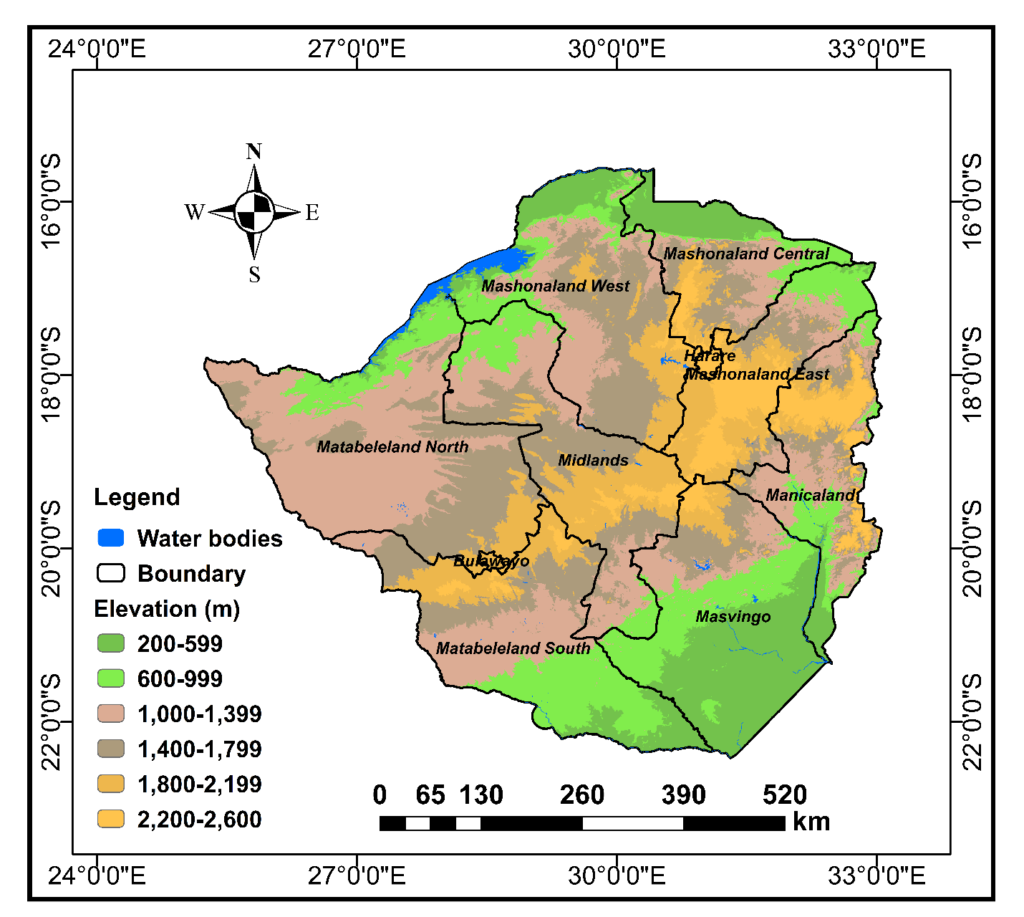
Most agents will highlight a beautiful hillside vista. What they won’t explain is how that slope dictates your land’s fundamental health. Terrain controls temperature, drainage, and erosion risk, factors that directly impact soil vitality and your future costs.
Understanding Your Land’s Physiology
High Elevation (>1200m): Found in regions like the Eastern Highlands. Soils here are often cooler and can be more acidic, which slows down the decomposition of organic matter. This can be a double-edged sword: it preserves organic carbon but may require specific amendments for certain crops.
Gentle Slope (0-5%): The ideal. This gradient allows rainwater to infiltrate slowly, nourishing the soil profile without washing it away. It maximizes usable area and minimizes erosion control costs.
Steep Slope (>10%): A significant risk. According to erosion models from the Food and Agriculture Organization (FAO), soil loss on a 10% slope can be four times greater than on a 2% slope. Water runs off rapidly, stripping away the nutrient-rich topsoil your land depends on.
The Health Indicator: A steep slope in a high-rainfall area creates a “hypertensive” condition for your soil—under constant, high-pressure erosion threat. It’s a detail often omitted when that panoramic view is being sold.
Chapter 2: The Foundation Analysis – Your Soil’s Inherent Personality
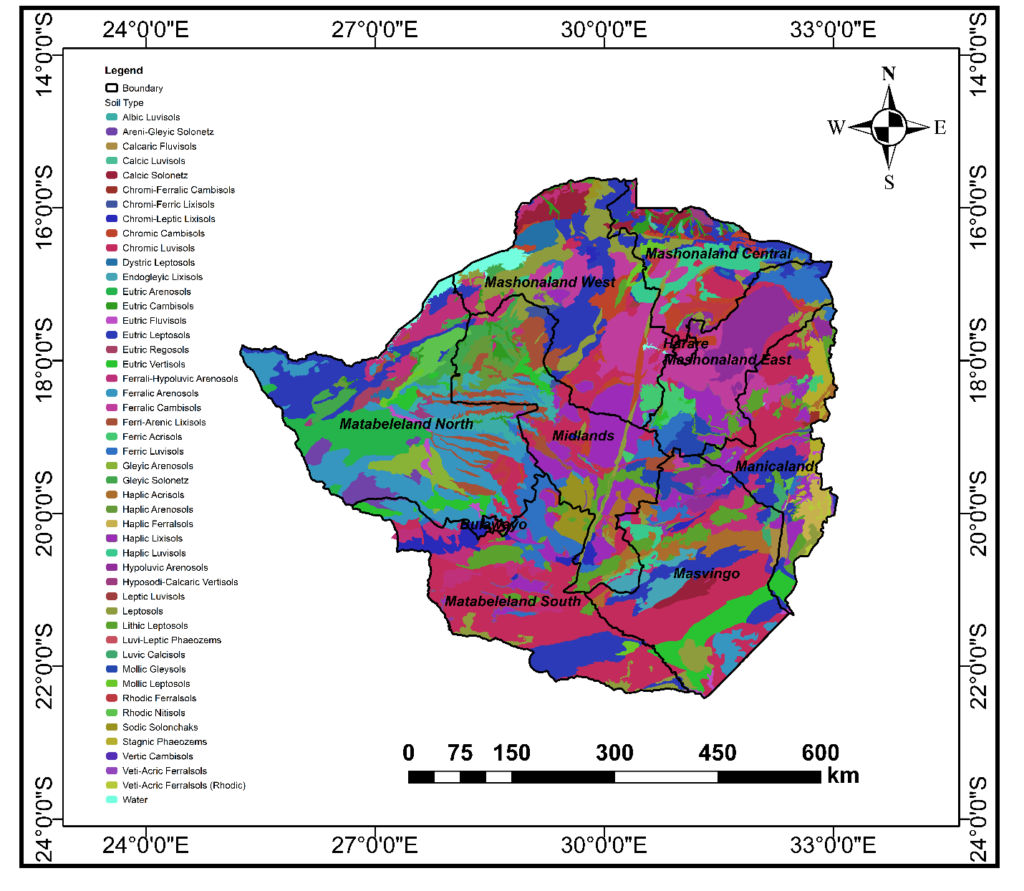
Your agent might mention “good soil,” but that’s a meaningless term without context. Soil type is the bedrock personality of your land. Is it prone to holding water or shedding it? Does it cling to nutrients or let them go? The national soil map holds the answers.
Decoding the Soil Trinity
Clay Soils: Common in many parts of Mashonaland. They act like a nutrient bank, holding fertilizers and minerals well. However, their poor drainage can lead to waterlogging, suffocating plant roots and creating a hostile environment for soil microbes. Building foundations here also require careful engineering to prevent cracking.
Sandy Soils: Prevalent in areas of the Lowveld. They provide excellent drainage, preventing waterlog, but have a critical flaw: they are nutrient sieves. Essential elements like nitrogen and potassium wash through quickly, leading to higher ongoing fertilization costs.
Loamy Soils: The gold standard. A balanced mix that offers good drainage, decent nutrient retention, and workable structure. Land with deep loam commands a premium for a reason—it reduces risk and input costs from day one.
The Health Indicator: Sandy soil on a steep slope is a “compromised immune system.” It lacks the structure to hold itself together and the ability to retain the nutrients needed to recover. This combination, often found in eroded areas, signals a land that will demand constant, expensive care.
Chapter 3: The Water Input Assessment – It’s Not Just About “Good Rainfall”
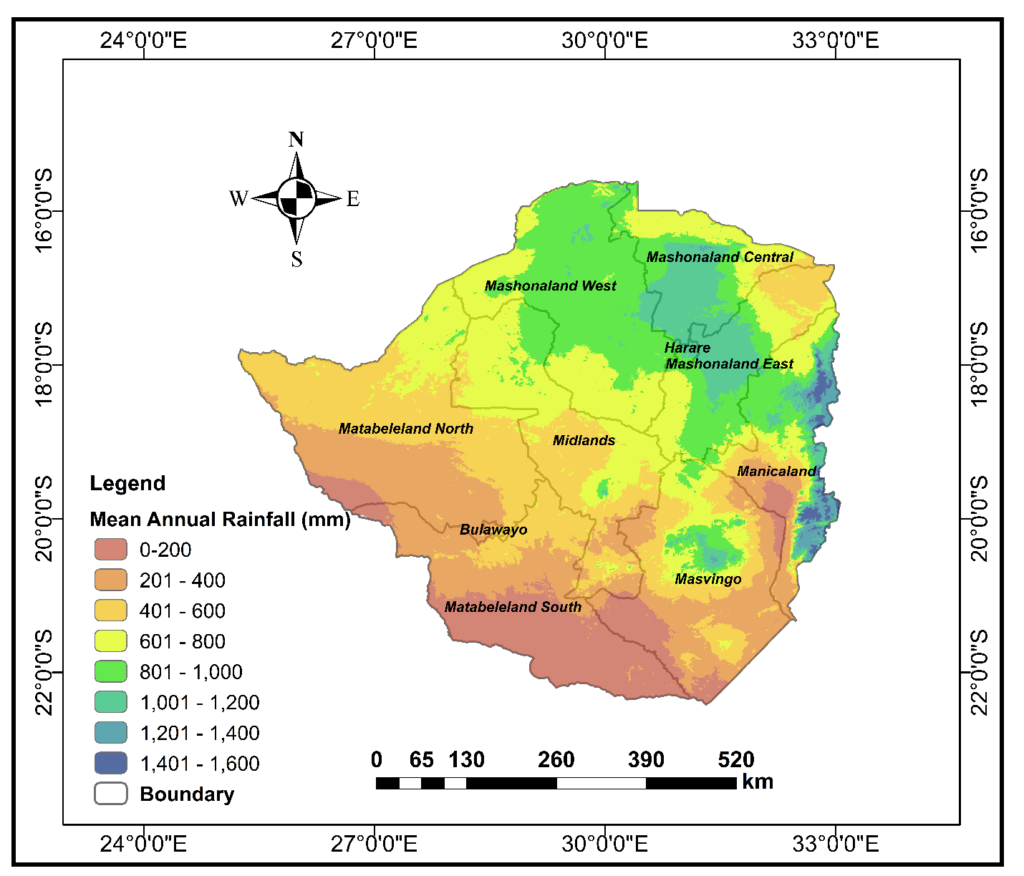
“Yes, it’s a high-rainfall area,” your agent says. But this simple statement hides a world of nuance. More rain does not automatically mean healthier soil. The amount, intensity, and timing determine whether water is a life-giver or a soil destroyer.
The Rainfall Reality Check
High Rainfall (>1000mm): Typical in the Eastern Highlands. While abundant, this can lead to nutrient leaching in sandy soils, where fertilizers are washed far beyond plant roots. It also increases the erosive power on slopes.
Moderate Rainfall (600-800mm): The sweet spot for much of Mashonaland and the Midlands. With proper management, this amount supports robust soil life and crop growth without excessive leaching or runoff.
Low Rainfall (<450mm): Characteristic of parts of Matabeleland and the Lowveld. Here, the focus must shift from managing excess to conserving every drop. Soil organic matter becomes critically important for moisture retention.
The Health Indicator: Low rainfall combined with sandy soil creates a “dehydrated patient.” Water passes through too quickly, and the soil lacks the organic “sponge” to hold it. This combination, often unmentioned in listings, dictates an immediate need for investment in water harvesting and soil amendment infrastructure.
Chapter 4: The Nutrient Blood Test – Soil Organic Carbon
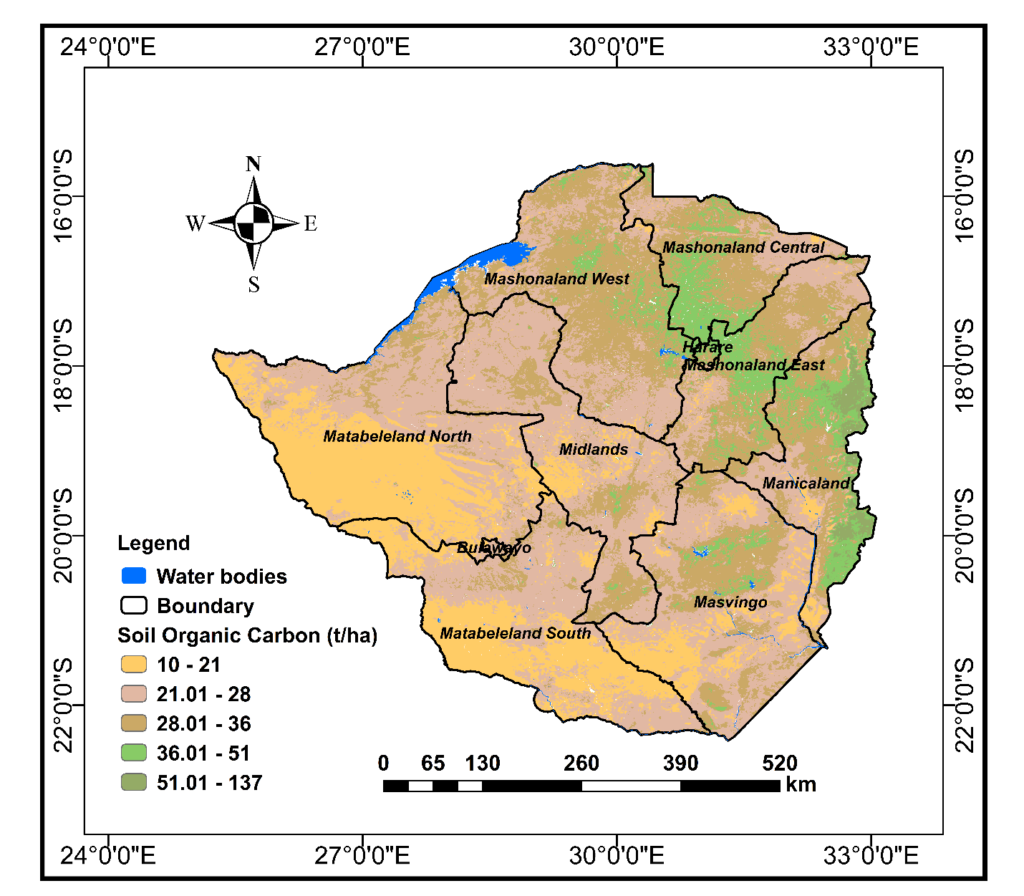
This is the map that reveals your soil’s true vitality. Soil Organic Carbon (SOC) isn’t just a component of dirt; it’s the currency of the soil ecosystem. It fuels microorganisms, creates crumbly structure that resists erosion, and acts as a reservoir for water and nutrients. Most agents have never seen this map.
Reading the Vital Signs
>2.0% SOC: Indicates rich, resilient soil. This level supports a diverse microbial community, promotes strong crop yields, and builds natural disease suppression. It is, however, relatively rare in frequently farmed areas.
1.0-2.0% SOC: Represents moderate health. The soil functions but lacks resilience. It will respond well to regenerative practices like cover cropping and compost addition.
<1.0% SOC: Signals a critically depleted system. The FAO considers levels below 1% a severe constraint to productivity. Soil is likely compacted, lifeless, and prone to erosion and drought stress. Rebuilding it requires a multi-year commitment.
The Shocking Data Point: Research indicates that for every 1% increase in soil organic matter, soil can hold an additional 25,000 liters of water per hectare. Conversely, low SOC means your land is far more vulnerable to dry spells.
The Health Indicator: Low organic carbon is “anemia.” Regardless of soil type or rainfall, without this fundamental energy reserve, the soil ecosystem is weak, unproductive, and costly to manage.
Chapter 5: The Combined Diagnosis – The 4-Map Overlay Method
Now, let’s integrate these insights. A single map gives a snapshot; all four together provide the full diagnostic picture. This is the analysis that transforms how you evaluate any plot of land for sale in Zimbabwe.
Case Study: The Tale of Two Mashonaland Plots
Plot A (The Healthy Patient):
Slope: Gentle (3%)
Soil Type: Clay-Loam
Rainfall: 700mm
Organic Carbon: 1.8%
Combined Diagnosis: Generally healthy. Good structure, stable terrain, adequate and manageable water inputs, and satisfactory fertility reserves. This land has a strong foundation for success.
Plot B (The High-Risk Patient):
Slope: Steep (12%)
Soil Type: Sandy
Rainfall: 850mm
Organic Carbon: 0.7%
Combined Diagnosis: High risk. This is a dangerous combination: erosion-prone terrain, soil that leaches nutrients, intense rainfall that accelerates both processes, and critically low fertility reserves. This land is actively degrading.
Your 5-Minute Pre-Purchase Overlay Checklist
Before you visit a property, ask these four map-based questions:
Terrain: What is the slope percentage? (Target: <5%)
Foundation: What is the primary soil type? (Target: Loam or Clay-Loam)
Water: What is the annual rainfall and its pattern? (Target: 600-800mm)
Nutrients: What is the estimated soil organic carbon level? (Target: >1.5%)
Red Flag Combination: If you see Steep Slope + Sandy Soil + High Rainfall + Low Carbon, proceed with extreme caution or budget for significant rehabilitation.
Chapter 6: Your Soil Health Action Plan & Investment Protection
What do you do once you’ve diagnosed your land’s health? Here is a tailored action plan based on your 4-map assessment.
For Healthy Soil (Good scores on all 4 maps):
Action: Maintain and monitor. Practice conservation agriculture to preserve organic matter.
Strategy: Use cover crops, rotate crops, and add organic compost periodically. Your investment is protected by starting from a position of strength.
For At-Risk Soil (1-2 risk factors present):
Action: Implement targeted interventions. This is where a precise plan pays off.
Strategy: Build contour ridges on slopes, start a composting program to boost carbon, and install water harvesting swales in low-rainfall areas. Budget for these improvements in your purchase offer.
For Critically Degraded Soil (3-4 risk factors):
Action: Consider professional rehabilitation or reconsider the purchase.
Strategy: If the price reflects the condition, work with a soil expert. Budget for 2-5 years of focused soil building with green manures, mineral amendments, and possibly mechanical structures like terracing. Understand that this is a long-term project.
Conclusion: Stop Guessing, Start Knowing with Data
Searching for land for sale in Zimbabwe requires looking beyond the brochure. The difference between a thriving investment and a money pit lies in the invisible world of soil health. You now know that this health isn’t a mystery, it’s a measurable equation of Terrain + Soil Type + Rainfall + Organic Carbon.
Your agent sells plots. We empower you to understand them. In a market filled with uncertainty, this knowledge is your most powerful tool.
Your Clear Next Step: Get the Definitive Analysis
Why rely on estimates when you can have certainty? We specialize in soil health analysis.
We provide you with:
A custom overlay of all four maps centered on your exact plot coordinates.
A detailed Soil Health Score and clear, actionable recommendations.
A professional report you can use to make confident decisions or negotiate from a position of strength.
Don’t let the most important part of your investment remain a hidden risk.